
-


-
-


Wechat

-
WhatsApp

Как пластиковые стержни на заказ способствуют экологии?
2025-12-13
content
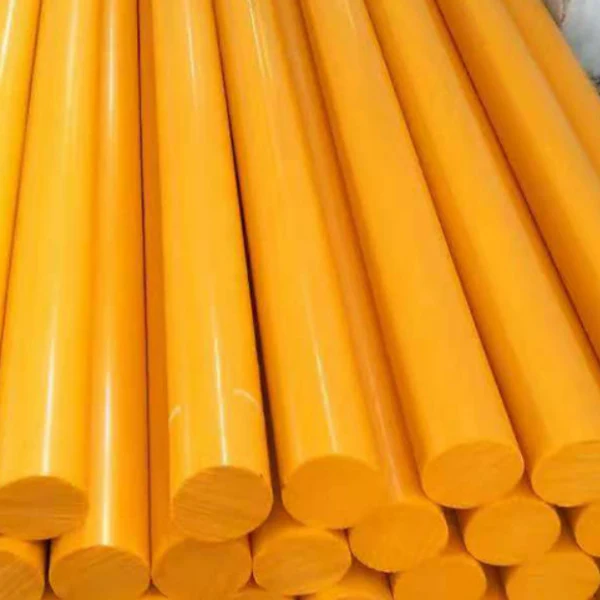
While creating custom plastic rods may seem like a purely industrial process at first glance, it's important not to overlook its environmental impact. Many people mistakenly believe that plastic and ecology are incompatible. However, with a smart approach to production, significant environmental benefits can be achieved. This is especially evident in projects I've personally observed at companies like Qingdao Defengyuan International Trade Co., Ltd.
Saving resources and extending the life cycle
Custom-made plastic rods save resources by optimizing formats and sizes to meet specific needs. This eliminates material waste, which not only reduces costs but also minimizes waste. For example, on one project where I was involved as a consultant, a 15% savings in raw materials was achieved.
Furthermore, by using high-quality raw materials such as ultra-high-molecular-weight polyethylene (UHMWPE), Qingdao Defengyuan Co., Ltd.'s products, details of which can be found on dfycorps.com , demonstrate outstanding durability. A longer service life means fewer replacements and, consequently, lower production volumes.
Some manufacturers even offer a return and recycling scheme for old products, thereby closing the production cycle, reducing the need for new raw materials and minimizing the environmental footprint.
Rational use of waste
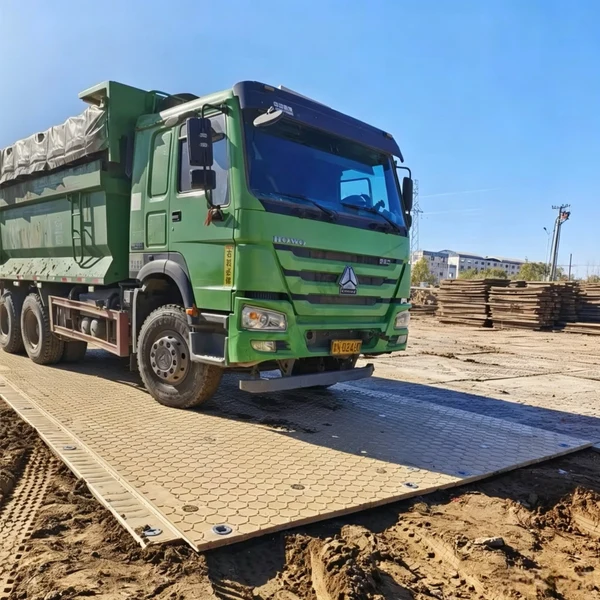
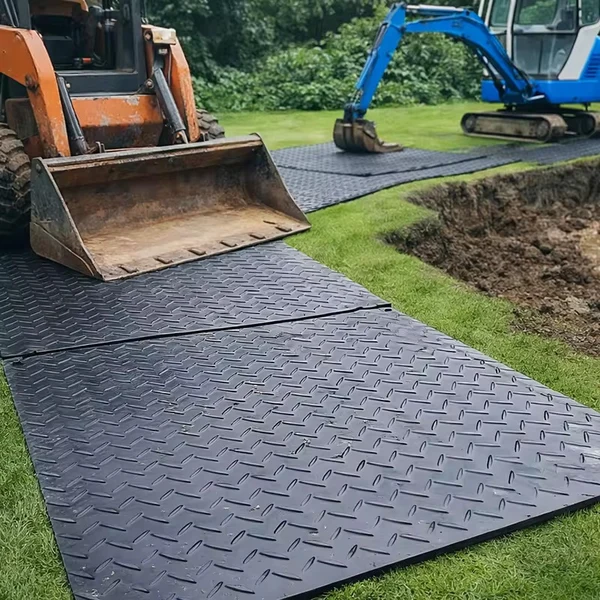
Recycling itself is just one aspect of a larger process of sustainable resource use. During production, scraps unsuitable for the main product can serve as the basis for other products, such as baseboards and road slabs made from UHMWPE.
Thus, what once served as a starting point for the production of designed products can later become a solution for a new problem, say, in the creation of temporary road surfaces or training boards for sports grounds.
It's important to mention the long-term partnerships with companies offered on the dfycorps.com website. This creates the foundation for deeper collaboration in the field of raw material recovery and restoration.
Reducing energy costs for production
One of the key environmental factors is reducing energy consumption in production. It's important to note that automated lines designed for the production of customized rods significantly reduce energy consumption.
Up to 30% energy savings were achieved by replacing old equipment with more modern equipment at one of the plants where I had the privilege of working during the modernization process.
Energy efficiency is directly linked to environmental friendliness, reducing not only costs for the manufacturer but also the carbon footprint.
Quality control as an element of environmental strategy
High quality standards for the final product directly contribute to environmental sustainability. When manufacturing custom rods, a strict quality control system allows for the early detection of defects, thereby minimizing the number of defective products, which in turn reduces waste.
Partnering with trusted raw material suppliers and regularly monitoring material parameters, as practiced at Qingdao Defengyuan Co., Ltd., ensures that only environmentally friendly and safe raw materials are used.
Interestingly, this approach not only promotes environmental sustainability but also builds trust with customers, which ultimately impacts the overall success of the company.
Educational initiatives for a cleaner future
The secret to successfully integrating environmental practices into production also lies in employee education. Implementing training and educational programs to raise awareness among employees about the importance of environmentally friendly production not only changes their attitudes but also creates a new culture within the company.
As I've learned from my own experience, companies whose successes can be seen in the example of dfycorps.com help foster awareness among every participant in the production process of their contribution to environmental conservation.
The implementation of such initiatives creates a sense of shared responsibility and can become the basis for many new ideas and approaches in sustainable development. Ultimately, it is precisely these internal changes that make a significant contribution to the global environment.